
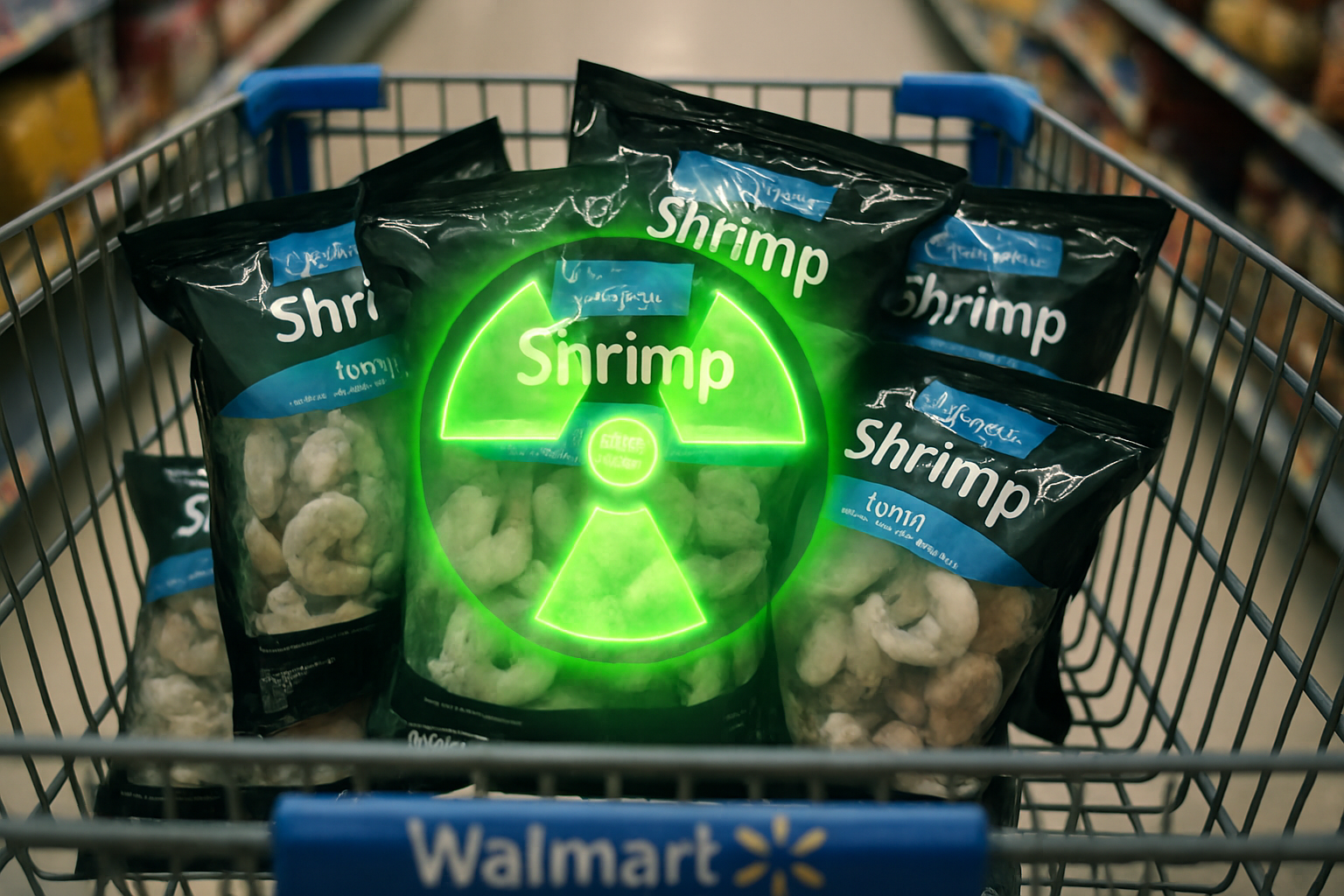
Radioactive Shrimp at WalmartFew things are as alarming as finding out that your fish fillet may be doused in radiation while grocery shopping on any given day. Yes, you read that correctly. At this very moment, the Internet is going bananas for all the wrong reasons over something known as “radioactive shrimp Walmart.” On August 19, 2025, the U.S. Food and Drug Administration made an unequivocal announcement about frozen shrimp sold under the Great Value brand belonging to Walmart.
This is not some stuff out of a science fiction movie but a real-life scene of a food safety crisis that has left consumers in frenzy on how best they can check their freezers. So if by any chance you recently bought shrimp from Walmart, here you go;
So sit back as we get close and take an extended look at the radioactive shrimp Walmart case, find out what health risks are associated with this, how it happened, and most importantly, what to do next. We also briefly touch on wider repercussions regarding food safety in America. Stay tuned — you won’t want to miss this.
Unpacking the FDA Warning: What Exactly Is Going On with Radioactive Shrimp at Walmart?
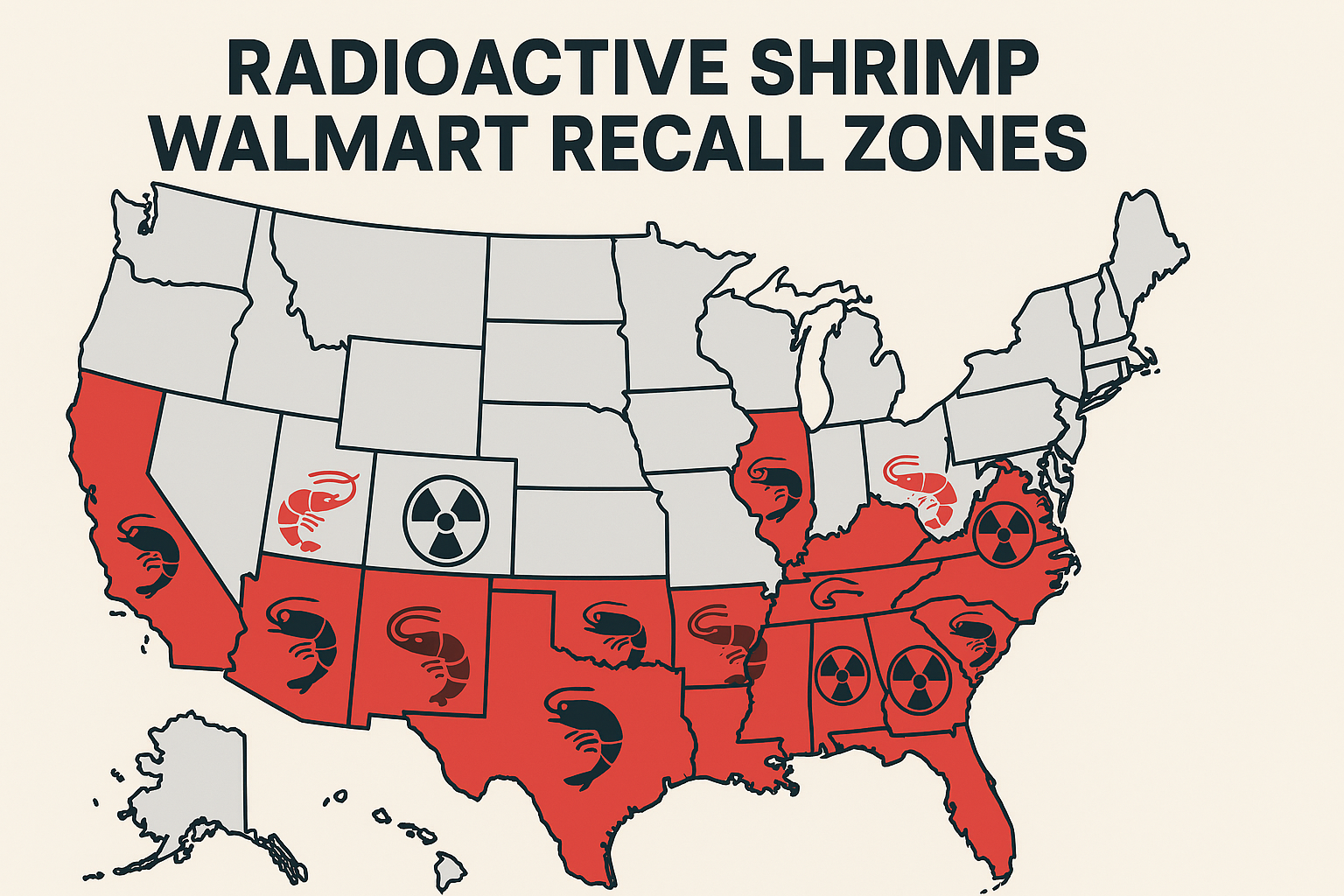
The warnfrom the FDA came right after routine testing at the ports of the U.S. found traces of Cesium-137 in breaded and raw frozen shrimp being shipped to Walmart stores. Cesium-137 is a radioactive isotope. Also, it’s nothing to play with because this is nuclear fission byproduct often coming out of places like Chernobyl or Fukushima. In this instance, contamination was discovered in samples sent from Los Angeles, Houston, and New York ports which subsequently led to an immediate investigation being launched. The main products involved happen to be Great Value raw frozen shrimp with more specific lot codes (8005540-1; 8005538-1; 8005539-1) having been flagged as potentially risky.
This radioactive shrimp Walmart recall goes over 13 states because Walmart has a big presence in California, Texas, Florida, Illinois, and other states. The FDA told people not to eat, sell, or serve this food because even low levels of radiation for a long time can be dangerous. Walmart started a voluntary recall where customers can bring back the shrimp for all their money or throw it away safely. But how did radioactive shrimp first come to be at Walmart? Let us break it down.
They came from suppliers outside the country, most probably from Asia, where nuclear accidents can still influence marine life with their effects of radioactivity. Since shrimp are known as bottom dwellers and more likely to assimilate contaminates from the sediments, this is not the first instance that imported seafood has triggered any alarms. However, it is just more supply chain oversight amplified due to radioactive shrimp at Walmart.
How Did Radioactive Shrimp End Up at Walmart? Tracing the Source
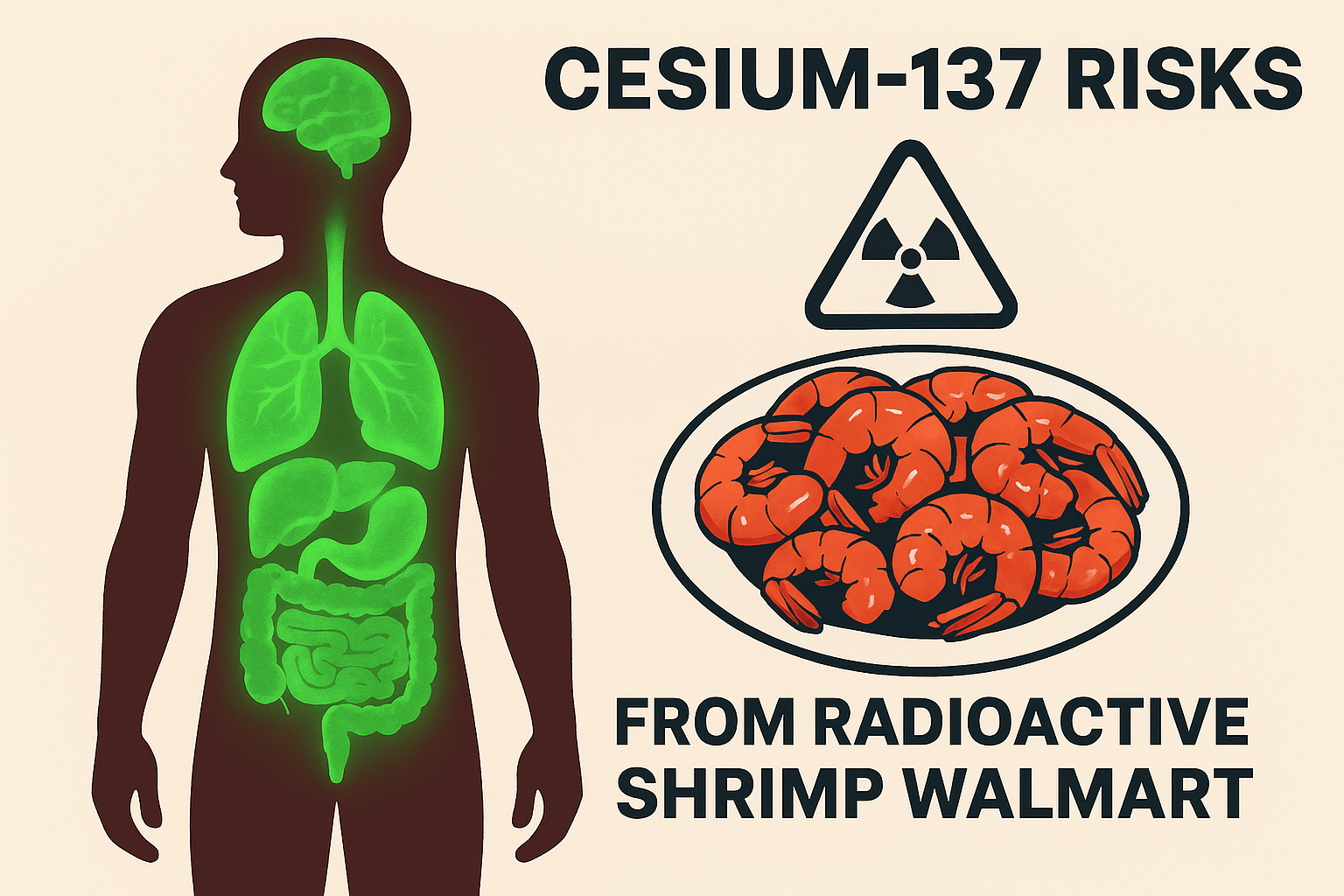
Begin the radioactive shrimp Walmart debacle in the global seafood industry because that’s exactly where it begins. Most of the supply of affordable shrimp at Walmart comes from both farmed and wild catches out of countries like India, Vietnam, and Indonesia. These are areas that reclaim land where industrial wastes sometimes heavily pollute the seas and where fallout radiation from atmospheric nuclear testing in the mid-20th century has never fully dissipated. Plus, 2011’s Fukushima accident dumped Cesium-137 into the Pacific Ocean-with lingering effects on marine biology today.
The U.S. Customs and Border Protection (CBP) is very instrumental in screening imports, and on this occasion flagged the shipments during routine radiation checks at ports. The FDA then came in, holding the product and issuing the warning. So why was it not caught earlier in the supply chain? Walmart, being the world’s largest retailer depends on third-party suppliers for most of its goods. It has quality assurance protocols in place but such incidents as this radioactive shrimp Walmart recall prove holes.
They say, experts do, that climate change and ocean acidification will increase the uptake of contaminants by shellfish. This is not an isolated incident- previous recalls have also involved heavy metals such as mercury in tuna or antibiotics in farmed shrimp. The radioactive shrimp at Walmart is sure to add a new dimension of urgency to calls for enhanced FDA funding and international cooperation on food safety standards.
Walmart’s Response and What It Means for Shoppers
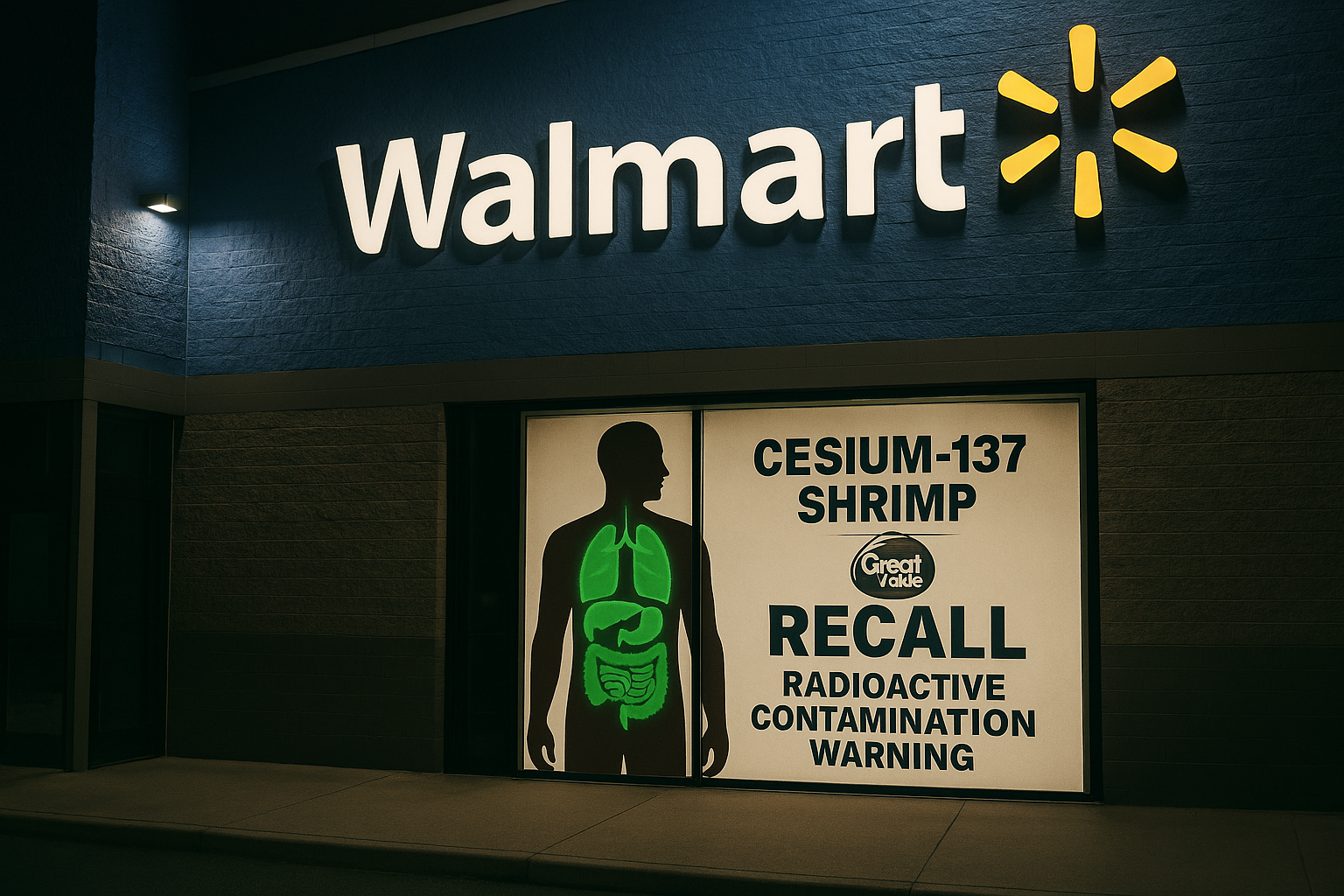
Walmart’s quick response to the radioactive shrimp Walmart crisis has been the above assurance that they are working closely with the FDA as well as suppliers to get into the root of the matter and prevent future occurrences. All products in the affected states are being removed from store shelves. Consumers would be encouraged to check lot numbers on their product packages. If you have Great Value frozen raw shrimp with any of those numbers, get rid of it immediately. Do not risk it.
This isn’t the first time Walmart has had to deal with food safety issues, but the element of radiation sure has raised public awareness. Users for instance on X are posting stories and warnings, with one post warning, “Warning: Radioactive shrimp sold at Walmart was NOT on my 2025 bingo card.” Another, humorously, added, “Me after I eat the radioactive shrimp from Walmart,” accompanied with a glowing character GIF. These bring out how fast information travels in today’s digital age, forcing companies like Walmart into transparent action.
For the shopper, this means further caution. Check always on the FDA website for recalls and maybe spread the seafood sources. Go for the locally sourced or certified sustainable ones to lessen risks from the imported ones.
Broader Implications: Food Safety in the Age of Global Trade
The radioactive shrimp Walmart issue is not a one-retailer problem. It has to do with bigger flaws in the highly globalized food system. Over 80% of seafood consumed within the U.S. comes from imports so easily can contaminants make their way in. The FDA checks only a slim portion of imports— relying on random samples so some risk will always get through.
This event is reminiscent of scandals past, such as the horse meat scandal that hit Europe in 2013 or the outbreak of E. coli in produce. Such outbreaks raise the question of just what regulatory ‘gaps’ there are. Should each and every item of seafood, for instance, undergo compulsory radiation testing? Advocacy groups are pushing for much stricter laws arguing that it is consumer health, not prices, that should not be compromised.
Also, climate change may make such problems worse by changing ocean currents in such a way as to concentrate all pollutants. The radioactive shrimp Walmart case may lead to inventions in supply chain technology. Blockchain for traceability and AI for contaminant detection.
Prevention Tips and Looking Ahead: Avoiding Future Radioactive Shrimp Walmart Disasters
To protect yourself from similar scares, here are some practical tips:
- Stay Informed: Subscribe to FDA recall alerts and check apps like the USDA’s FoodKeeper for storage guidelines.
- Read Labels: Look for country of origin and certifications like MSC (Marine Stewardship Council) on seafood packaging.
- Diversify Your Diet: Mix in plant-based proteins or domestically farmed fish to reduce reliance on imports.
- Advocate for Change: Support policies that fund better food inspections and environmental protections.
Ultimately, it’s the consumers who should keep in mind that from here on Walmart and FDA are likely to get strict with their protocols. The shrimp Walmart releases story on the other hand serves more as a warning: cheap food has hidden costs .
Conclusion: Don’t Let Radioactive Shrimp at Walmart Ruin Your Trust in Food
The radioactive shrimp Walmart scandal is just a sober reminder that even from the most common groceries, dangers can often be most unexpected. From an urgent warning by the FDA to recall attempts by Walmart, this incident has underlined the spotlight for robust food safety measures in practice. No one has yet fallen ill, but with potential risks as serious as exposure to Cesium-137, they cannot be ignored. Let’s stay vigilant; let’s demand transparency and try to make informed choices.
If you have been impacted by the recall of radioactive shrimp from Walmart, please share your story in the comments. Check your freezer lately? Let’s talk about how we can advocate for safer food systems as a collective. Remember, knowledge is power—especially when it comes to what’s on your plate.